Get Dumber. No, Seriously.

Listen to the Dumbify Podcast on Spotify or Apple.
👋 Hey dumdums,
A friend of mine told me that his grandfather could navigate from Missouri to Montana using nothing but the stars and a feeling in his knees. Incredible. That same friend's uncle drove into a Wendy's parking lot last Thanksgiving because Siri told him it was the church. Two generations, two completely different skill sets, and honestly? His uncle had a way better holiday. He got a Frosty.
Everyone is panicking that AI is making us stupid. That we're outsourcing our brains to robots. That we're becoming soft, helpless knowledge-veal. And sure, maybe. But what if getting dumber in certain ways is the entire point?
Every major cognitive tool in history was accused of rotting our brains
Writing. Calculators. Google. And every single time, the same thing happened. We lost one skill and unlocked something better.
Socrates literally argued that writing would destroy memory. He was right. It did. And then we got literature, science, law, and the Post-it note on my fridge that says "buy eggs, you fool." A worthwhile trade.
AI is the latest entry in a long tradition of tools that make us dumber at one thing so we can be smarter at another. The people who refuse to let go of manually doing what a machine can do better are not preserving intelligence. They're preserving busywork.
❝ The smartest thing your brain can do is figure out what it should stop doing. ❞
Cognitive offloading sounds like a corporate euphemism for laziness. It's actually how every great thinker in history operated. Einstein didn't memorize phone numbers. He had a notebook. Your brain has limited RAM. The question is whether you're going to waste it on tasks a machine handles flawlessly, or free it up for the weird, creative, deeply human stuff no algorithm can touch.
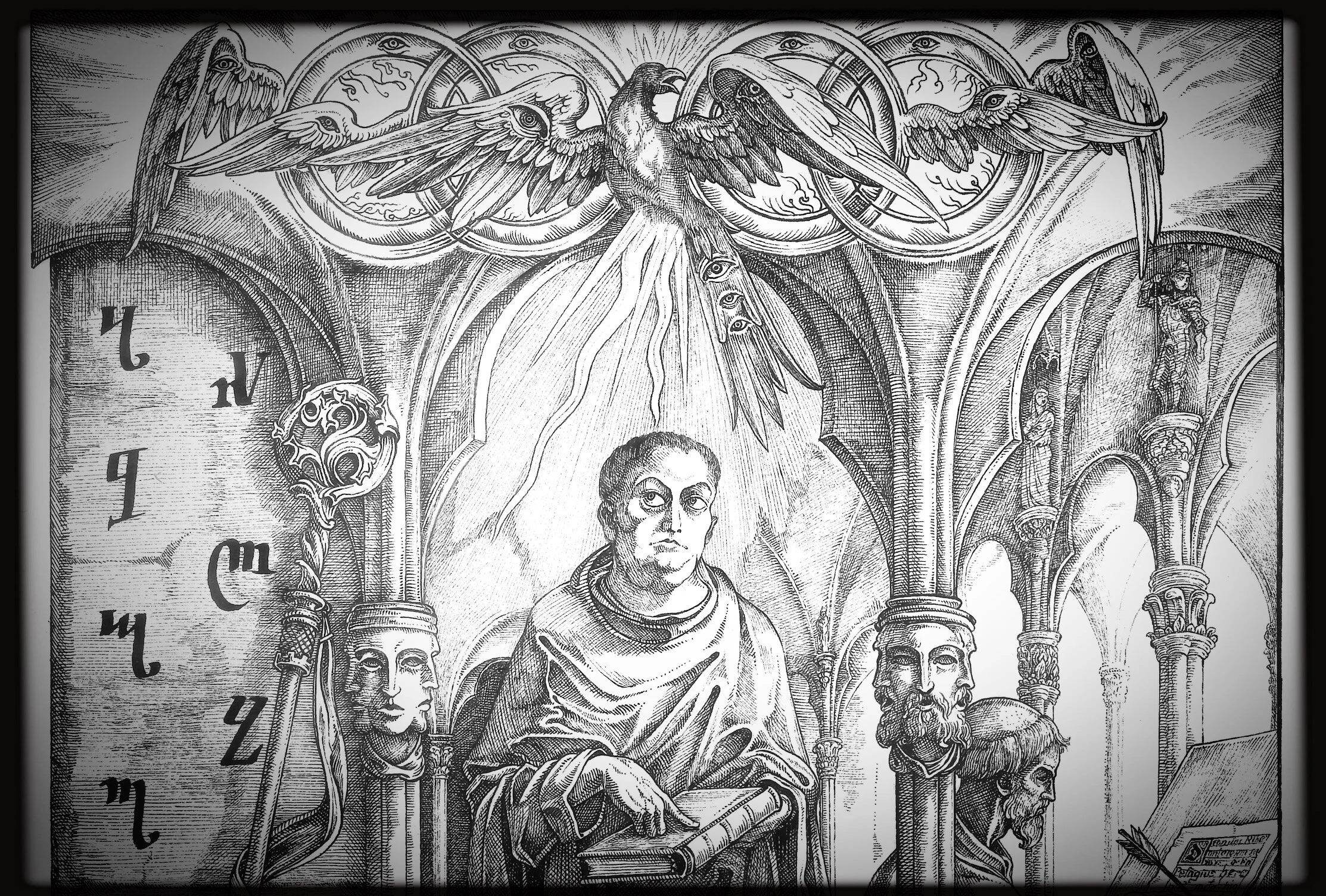
The Monk Who Wrote a Book Against Printing (Then Had It Printed)
In 1492, Abbot Johannes Trithemius wrote In Praise of Scribes, arguing that the printing press would make monks "intellectually lazy" and that hand-copying was a spiritual exercise. To get the book into enough hands, he had it printed. The guy who hated the technology needed the technology to complain about the technology. Printing killed monastic calligraphy. It also gave us the Scientific Revolution, widespread literacy, and the pamphlet, which was basically the tweet of the 1500s.
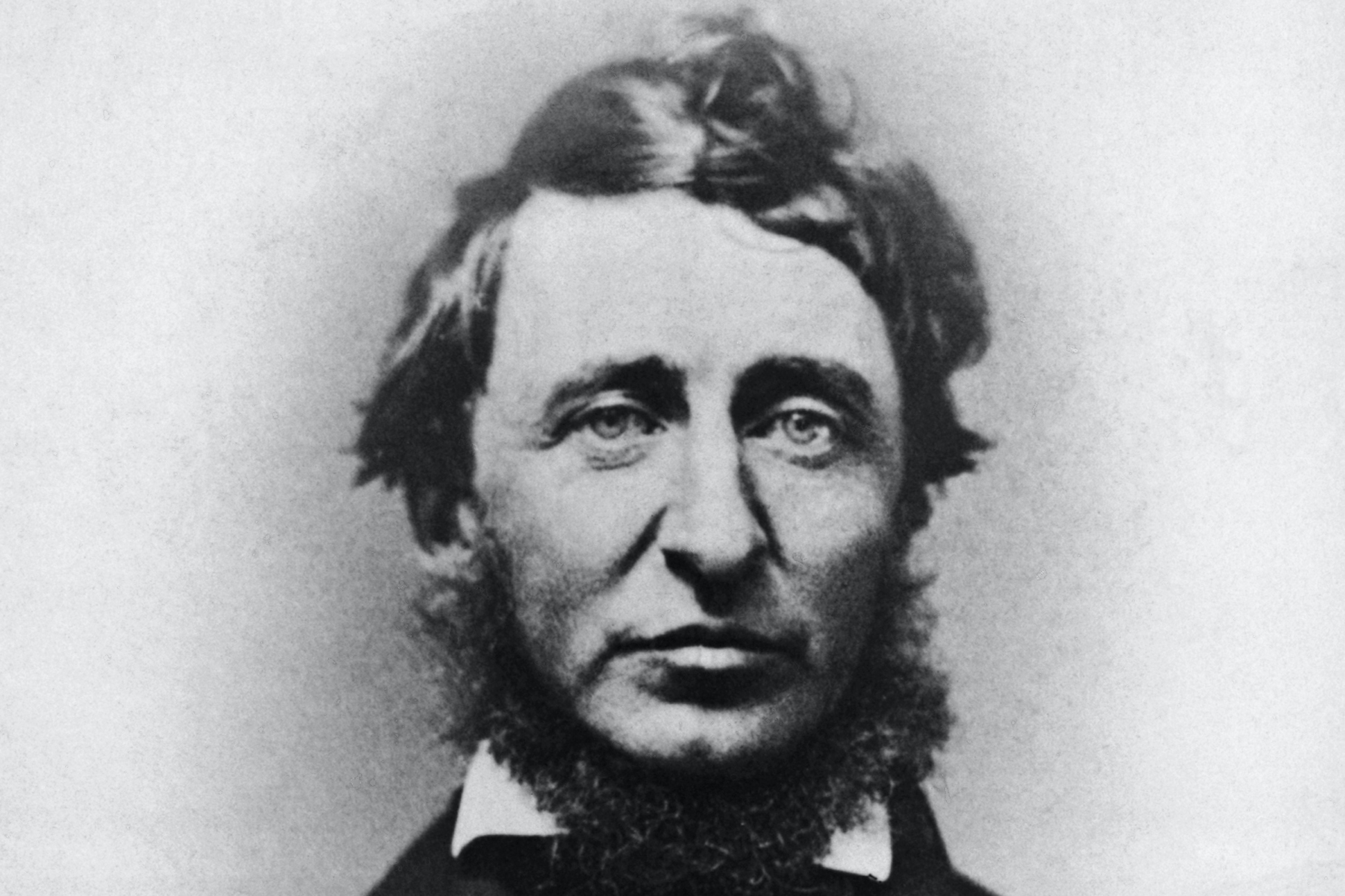
Thoreau Roasted the Telegraph. The Telegraph Won.
Henry David Thoreau famously wrote, "We are in great haste to construct a magnetic telegraph from Maine to Texas; but Maine and Texas, it may be, have nothing important to communicate." Sick burn, Henry. But the telegraph killed the need for physical messengers and weeks-long mail, and the brainpower people freed up from logistics went into, among other things, coordinating the abolition movement, real-time journalism and diplomacy, and diplomats learning to write more concisely (something Thoreau, of all people, should have appreciated).
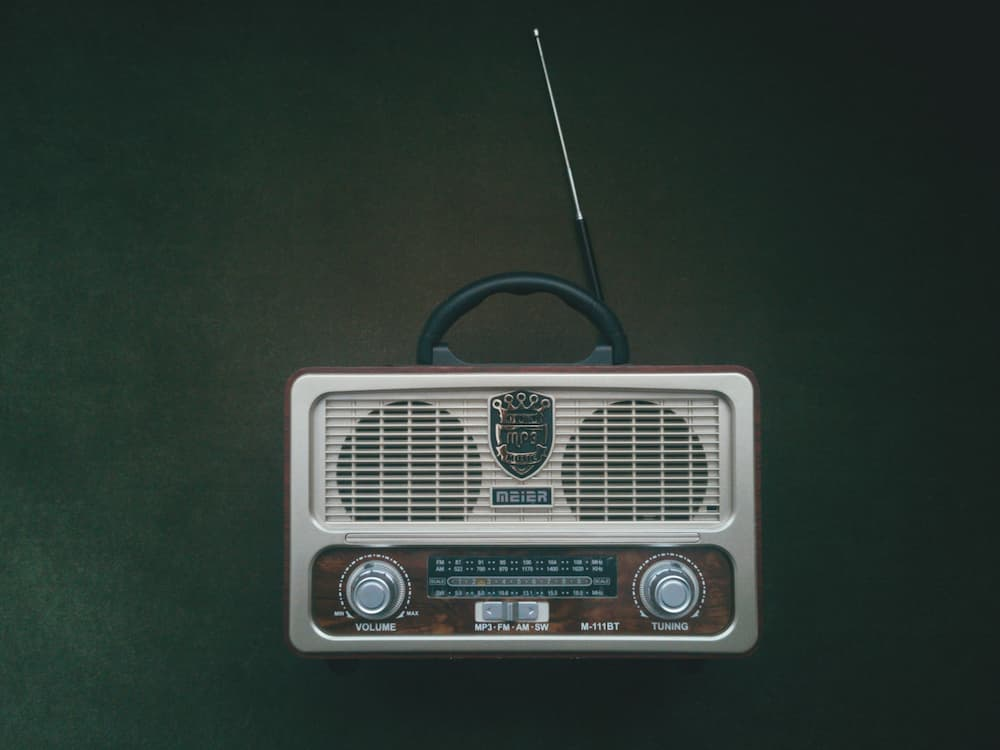
Radio Was Going to Turn Everyone Into Zombies
In 1929, a major debate raged in The Forum magazine about whether radio was "a blessing or a curse." Critics warned people would stop reading, stop conversing, and become "passive recipients" of whatever broadcasters beamed out. Instead, radio created an entirely new storytelling form, launched careers from FDR's fireside chats to Orson Welles's War of the Worlds, and made Americans more politically informed, not less.
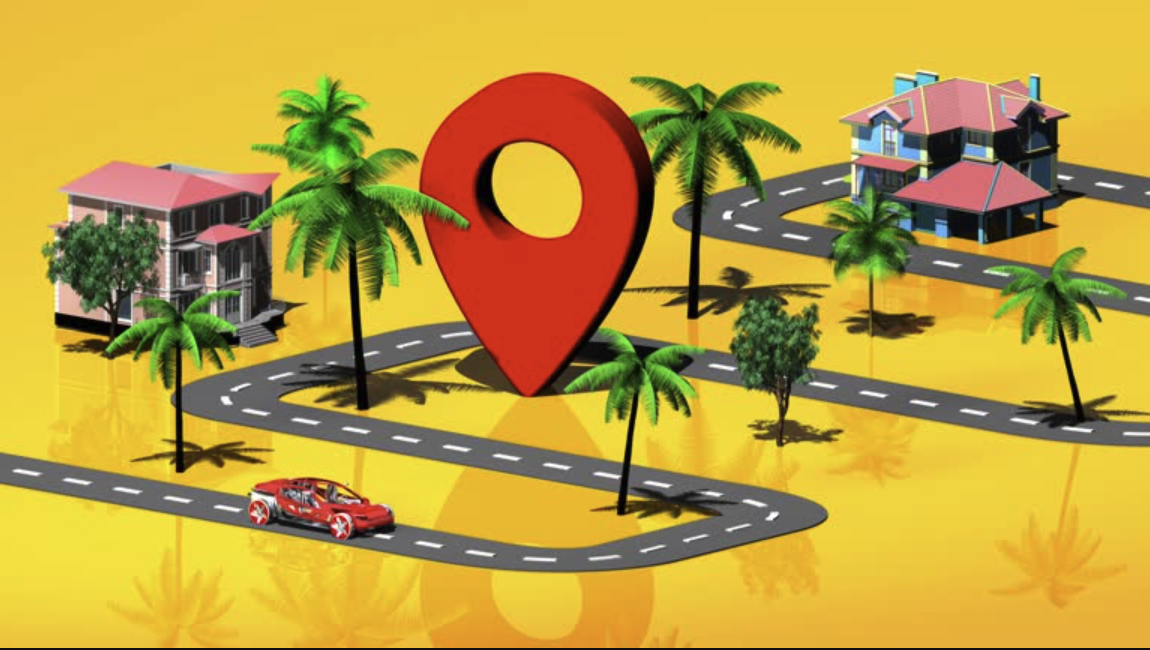
GPS Destroyed Your Sense of Direction (and That's Fine)
A 2020 study in Scientific Reports found that habitual GPS users have measurably worse spatial memory. Your grandfather could navigate by stars, while you can't seem to find the bathroom without Google Maps. But nobody's asking what people do with the cognitive bandwidth they're no longer spending on wayfinding. They're listening to podcasts, making phone calls, not dying in car accidents because they're staring at a paper map while merging onto the highway.
Dumb Word of the Day
Kenosis (keh-NOH-sis) n. From Greek kénōsis, meaning "the act of emptying." Originally a theological term for the self-emptying of divine attributes. More broadly, the deliberate act of emptying yourself of what you have in order to become something greater.
I love this word for today's theme because it reframes the whole panic. Everyone's terrified of AI "emptying" their brains, like it's some kind of cognitive robbery. But kenosis says emptying is the move. It's what you do on purpose when you're trying to level up. Monks have been practicing it for centuries. They didn't sit around worrying that prayer was making them soft. They emptied out the noise so the good stuff had room to show up. That's exactly what handing your grocery list to an AI is. (Okay, maybe slightly less holy.)
Let's use it in a sentence: "I practiced kenosis this morning by letting ChatGPT write my grocery list, and in the time I saved I had my first original thought since 2019."
This week, pick one thing technology does for you and do it yourself. The hard way. On purpose. Navigate somewhere without GPS. Do your taxes by hand. (Okay, maybe not that.) Write a letter instead of a text. Calculate a tip without your phone.
Then sit with it. Notice how it feels. Is it meditative and grounding, or do you want to throw your pen through a wall by minute three?
If you hate it, congratulations. You just proved the thesis. Humanity invented a way for you to never do that again, and you should send a thank-you note to whatever engineer saved you from that particular flavor of suffering.
If you love it, even better. You just found a hobby hiding inside a chore. Some people knit. Some people do longhand math. No judgment. (Some judgment.)
Thanks for getting dumb with me today.
Go empty your brain. It's the smartest container when it's not full of stuff a robot should be holding.
David 🎉