Put a Dog on It — Why Charities Should Replace Humans with Puppies


Listen to the Dumbify Podcast on Spotify or Apple.
👋 Hey dumdums,
I spent forty minutes this week watching a baby monkey drag a stuffed orangutan around a zoo enclosure in Japan. Not a highlight reel. The whole thing. Multiple times. At one point I said "you got this, little guy" out loud, alone in my living room, like he could hear me through the screen.
His name is Punch. His mother rejected him the day he was born. Wouldn't hold him, wouldn't feed him, wouldn't look at him. So the zookeepers did what anyone would do for a newborn who'd been abandoned. They gave him something soft to hold onto. An IKEA plush orangutan. Twenty bucks. And Punch clung to it like it was the only thing in the world that wanted him back.
The videos of him dragging that toy everywhere went so viral the zoo jumped from a quiet local spot to 6,000 visitors a day. The plush has completely sold out at IKEA and is now reselling for $350 on eBay.
Meanwhile, there are 6,000 GoFundMes for cancer treatment live right now. How many times have you checked on one this week? Have you whispered encouragement at your phone for a stranger's chemo updates? Be honest.
The Dumb Lens
❝ If you want to save human lives, stop showing humans. Show animals instead. ❞
That's the whole thesis.
We're not heartless. We're actually too sensitive to handle real empathy, so we outsource it to animals.
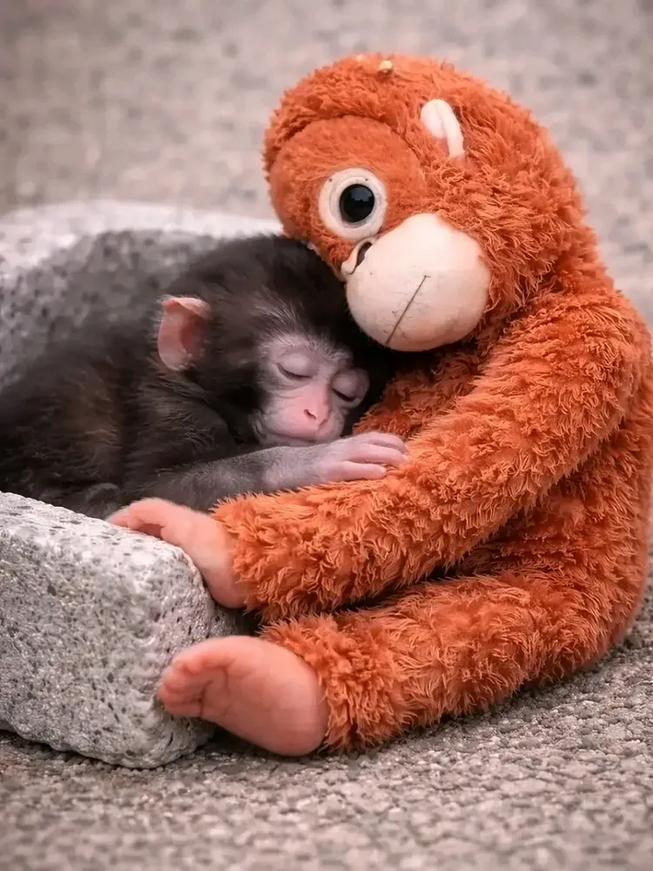
Punch gives us everything we crave from a redemption story with none of the complications. He was rejected. He struggled. He found comfort. He's slowly being accepted by his troop. Beginning, middle, hopeful end. No ambiguity. No politics. No questions about whether he deserves help or tried hard enough or has the right paperwork.
Humans are messy. They disappoint us. They have opinions we disagree with. They remind us of our own failures. But a baby monkey clinging to a stuffed orangutan? Pure. Uncomplicated. Safe.
A Father, a Dog Photo, and the Cruelest A/B Test Ever Run
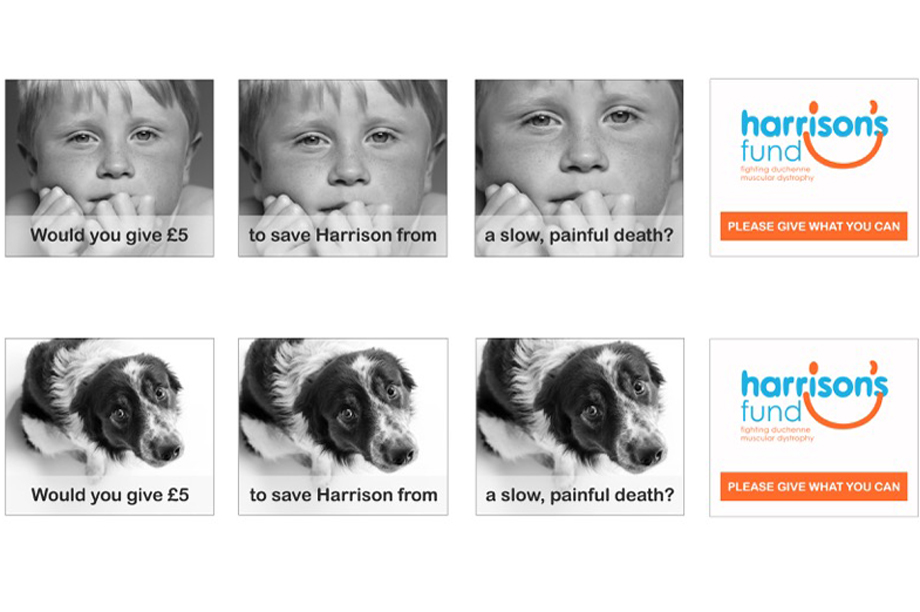
Alex Smith's son Harrison was diagnosed with Duchenne Muscular Dystrophy, a 100% fatal genetic condition affecting one in 3,500 boys. Most need wheelchairs by twelve. Most die in their teens or early twenties. No cure. Alex started Harrison's Fund and ran face-first into a wall every small charity operator knows. Nobody cared. UK awareness of Duchenne was below one percent.
So in 2015, he ran two identical digital ads. Same copy, same ask. "Would you give five pounds to save Harrison from a slow, painful death?" One featured his actual dying son. The other featured a random dog he found on the internet. The dog ad got twice the clicks. A stock photo of a dog Alex googled outperformed a photograph of a real child who was really dying.
His quote about the backlash should be tattooed on the inside of every charity marketer's eyelids. "I'm sorry if some people find our tactics upsetting, but the awful truth is that my son is dying and I'm willing to do whatever it takes to save him."
Third Sector covered the full campaign and its results.
Sarah McLachlan's $30 Million Sob
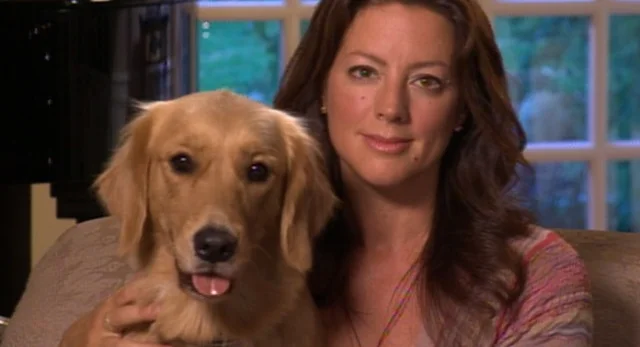
If you had cable TV in America between 2007 and yesterday, you've seen it. Sarah McLachlan singing "Angel" over slow-motion footage of trembling shelter dogs staring directly into the camera like you, personally, have failed them. Even McLachlan herself says she can't watch it. "It kills me," she told Amy Poehler on her podcast.
The ad raised $30 million in its first year. It attracted hundreds of thousands of new donors and fundamentally changed how the ASPCA raised money. No human charity has ever produced an equivalent. Not because they haven't tried. Because it doesn't work the same way with people. A trembling dog is always one identifiable victim. Each pair of sad eyes resets your compassion before it can fade.
People Magazine has the full story on McLachlan's complicated relationship with the ad.
The Most Controversial Flight in British History
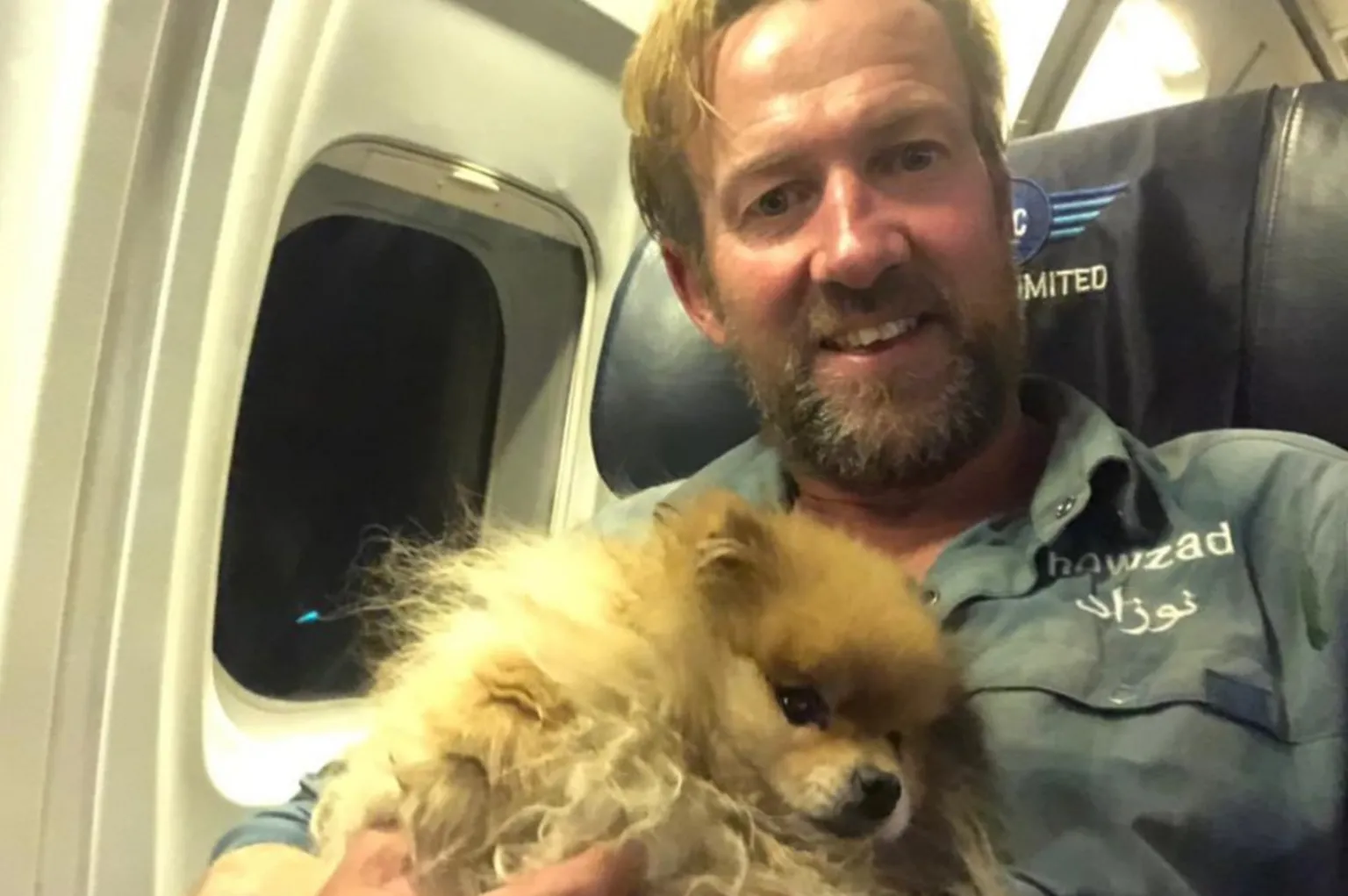
In August 2021, the Taliban took Kabul. Thousands of Afghan civilians who'd worked with British forces were desperately trying to reach the airport. Babies were being passed over barbed wire. And in the middle of all this, former Royal Marine Pen Farthing launched "Operation Ark" to evacuate 94 dogs and 68 cats from his animal shelter.
Farthing's supporters raised over £200,000 in days. He got a private charter plane. He eventually flew out of Kabul on a 229-seat aircraft as the only human passenger, surrounded by animals. His 24 Afghan staff members and their families, including 25 children? Left behind. The public gave faster, more generously, and with more emotional urgency for animals than for humans in the exact same crisis, at the exact same airport, on the exact same day.
The BBC investigated the full fallout of Operation Ark.
What Does Science Have to Say?
Psychologist Deborah Small at the University of Pennsylvania, along with George Loewenstein and Paul Slovic, ran a landmark 2007 study on charitable giving. People gave significantly more to one named girl from Mali than to statistics about millions facing famine. But when researchers showed both the girl AND the statistics, donations went down. Adding facts to feelings didn't boost generosity. It killed it.
Slovic and Daniel Västfjäll followed up with a 2014 study on "compassion fade" and found something even worse. Empathy doesn't just plateau as victims increase. It actively declines starting at two. One child breaks your heart. Two children? Slightly less. A million refugees? A headline you scroll past to get to the monkey video.
Animals are permanently stuck at one in our minds. A dog in a commercial is always one dog. Always identifiable. Always impossible to reduce to a statistic. That's the loophole in our empathy hardware, and it's sitting right there for anyone brave enough to use it.
Dumb Word of the Day
Theriophily (THEH-ree-AH-fuh-lee) n. The belief that animals are in some way superior to humans. From the Greek therion (wild beast) and philos (loving). Philosophers have been arguing about this since Plutarch wrote a dialogue where Odysseus's men, turned into pigs by Circe, refused to be turned back because they found animal life better. The pigs made a compelling case, apparently.
Perfect for today's newsletter because every donor data set suggests we're all practicing theriophily whether we admit it or not.
Let's use it in a sentence.
My theriophily has progressed to the point where I just donated sixty dollars to a stuffed IKEA orangutan's GoFundMe while my neighbor's actual surgery fundraiser sits unclicked in my bookmarks bar.

The Species Swap
Find a human cause you intellectually support but haven't actually helped. The friend's GoFundMe you've scrolled past. The coworker who mentioned they're drowning. You know the one.
Now ask yourself honestly. If this exact same person were a golden retriever, would you have already helped? If your coworker was a dog who needed surgery, would you have donated by now? If your friend's manuscript was a lost puppy, would you have already made the call?
If the answer is yes, help the human. Right now. Not tomorrow. Not after you finish reading this. Right now. I'll wait.
Bonus points if you tell the person "I helped you because I imagined you as a golden retriever" and then absolutely refuse to explain what you mean.
Thanks for getting dumb with me today
Go help a human. Or at least feel slightly guilty about the dog thing. That counts as growth.
David 🎉