You’re doing it right by doing it wrong

Listen to the Dumbify Podcast on Spotify or Apple.
👋 Hey dumdums,
In 1853, a chef in Saratoga Springs got so fed up with a fussy customer that he decided to ruin their meal on purpose. The customer kept sending back the fried potatoes, complaining they were too thick. So George Crum sliced them paper-thin, fried them to a crisp, and drowned them in salt. "Enjoy your inedible potato shards, you monster," he presumably muttered.
The customer loved them. Everybody loved them. We now call them potato chips, and they're a $40 billion industry built on spite.
This week, I want to talk about what happens when you stop trying to make something better and start trying to make it worse.
❝ When you're doing it right by doing it wrong. ❞
There's a reason you're stuck on whatever problem is stuck on you
Your brain keeps circling the same "good" solutions because it knows what success is supposed to look like. It's pattern-matching against every smart idea you've ever absorbed, which means you're playing a very boring game of creative Mad Libs.
But ask yourself "how could I make this worse?" and something weird happens. The pressure valve releases. Your brain stops performing competence and starts actually thinking. The bad ideas come easily because they're fun and there's nothing at stake. And what's curious is that buried in those terrible ideas are sometimes the inverted outlines of some really great ones.
Design thinkers call this the "Worst Possible Idea" method. The Interaction Design Foundation teaches it as a serious technique. The goal is to generate the dumbest solutions you can imagine, and then flip them inside out.
❝ The fastest way to find what works is to enthusiastically catalog what doesn't. ❞
But design-thinking has missed a piece of vital info on taking this method even further.
❝ Sometimes your "make it worse" idea creates something entirely new. ❞
The Crispiest Grudge
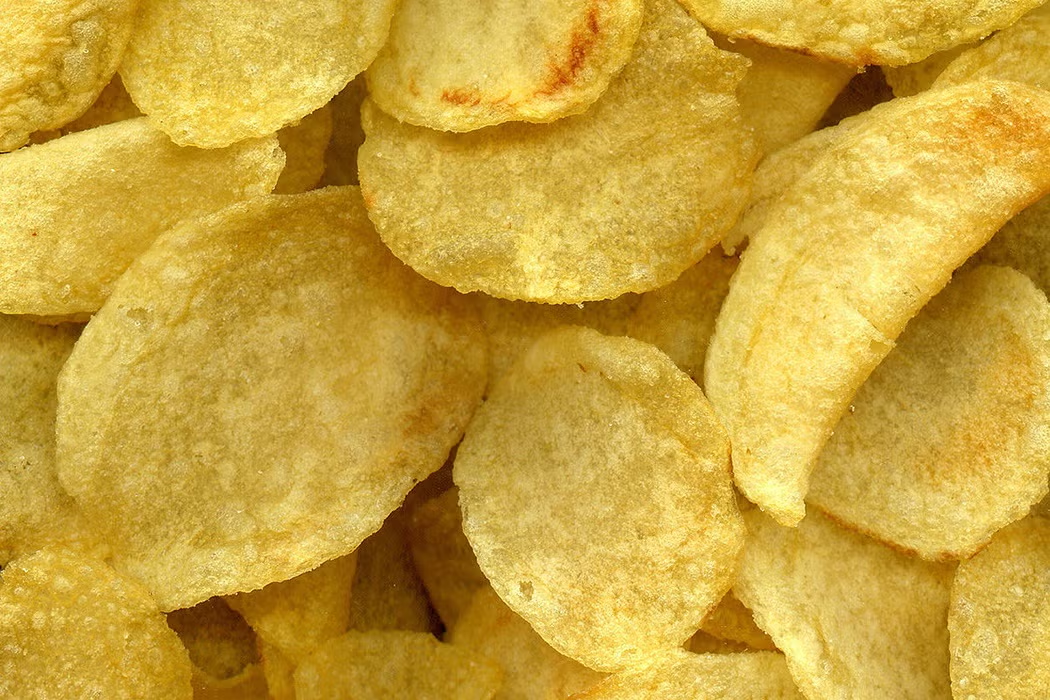
George Crum didn't invent the potato chip because he was trying to perfect the french fry. He was trying to insult a customer. By making his potatoes deliberately worse (ie, too thin, too crunchy, too salty) he accidentally created something no one had imagined wanting. The dish became so popular that Crum eventually opened his own restaurant featuring what locals called "Saratoga chips." Sometimes the best innovations come from weaponized pettiness. PBS has the full story.
A Million Wrong Turns
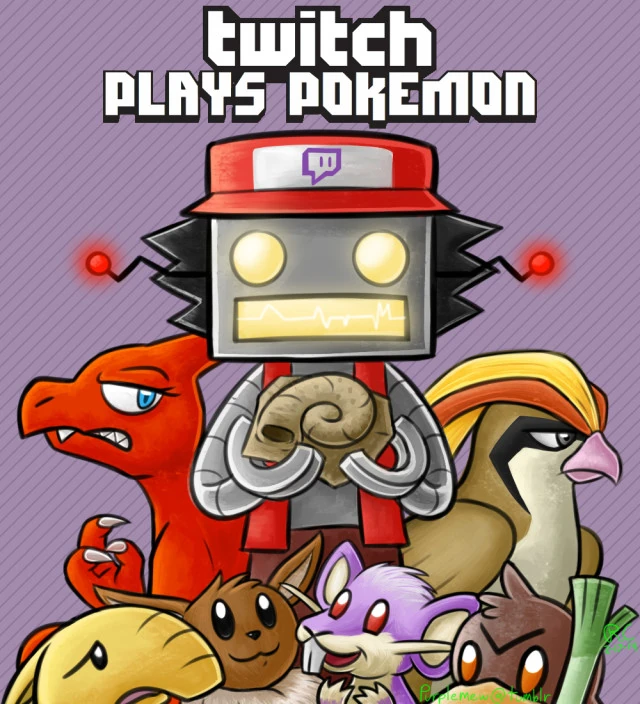
In 2014, an anonymous Australian programmer created 'Twitch Plays Pokémon,' letting thousands of viewers simultaneously control one game through chat commands. The result was chaos. The character walked in circles. Progress that should take minutes took hours. It was, objectively, the worst possible way to play a video game. It was also one of the most watched gaming events in history, attracting over 1.16 million participants and spawning entire mythologies around accidental achievements. The experiment won a Game Award for "Best Fan Creation." Wikipedia documents the beautiful disaster.
The First Draft That Doesn't Try
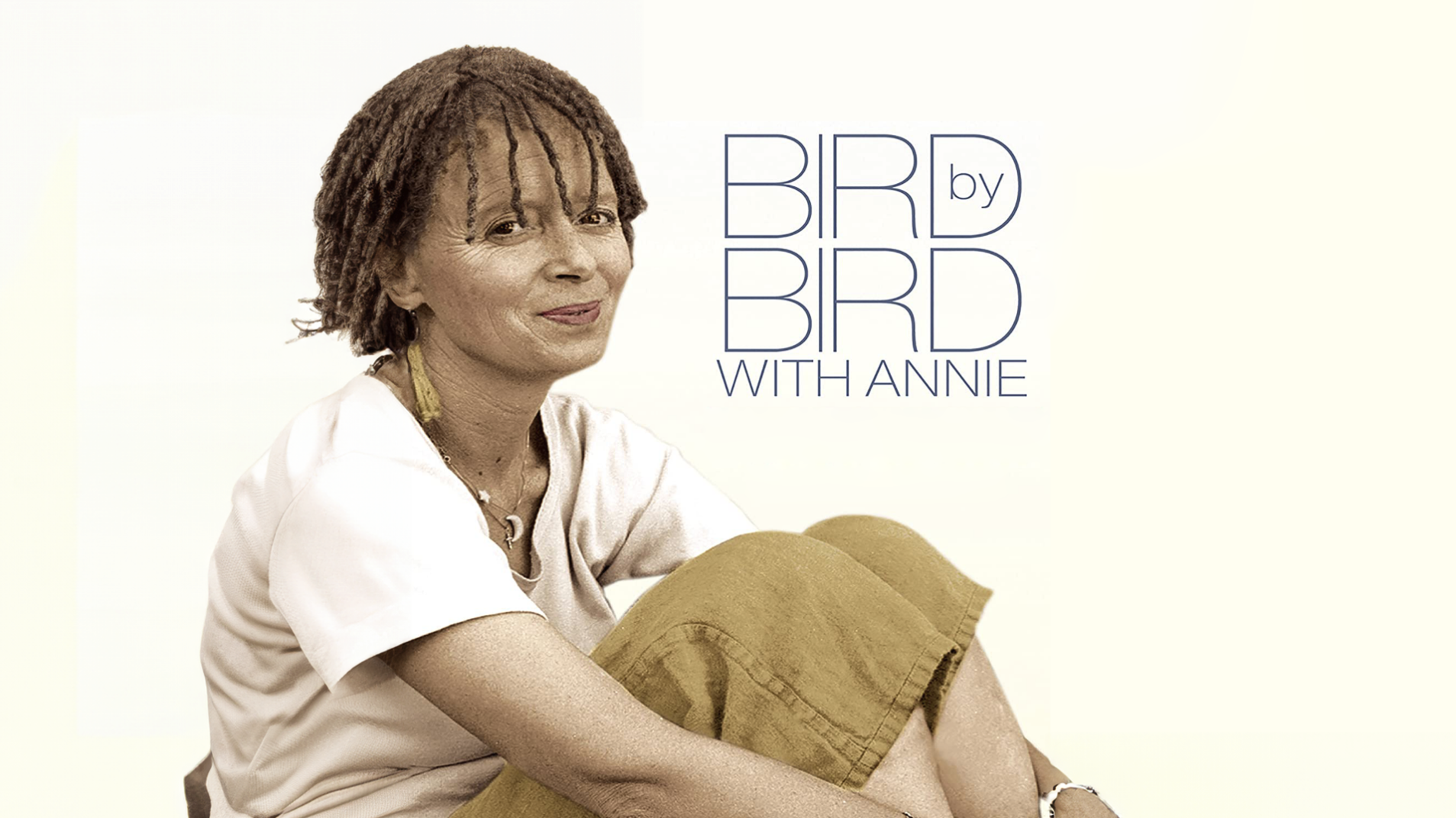
Anne Lamott's most famous writing advice isn't about clarity or structure. It's about giving yourself permission to write garbage. In her book Bird by Bird, she dedicates a chapter to "Shitty First Drafts," arguing that nearly all good writing begins as terrible writing. The goal isn't to make draft one good. It's to make draft one exist at all. She calls the second draft "the up draft" where you fix it up, and the third is called "the dental draft" where you check every tooth. Her point was that trying to write well immediately produces nothing. Read her essay here.
What Does Science Say?
Researchers have been quietly proving that making things worse can sometimes be optimal. Manu Kapur at ETH Zurich has spent 15 years studying what he calls "Productive Failure", which is letting students attempt problems they can't solve before teaching them the solution. His 2021 meta-analysis found that students who failed first significantly outperformed those who got traditional instruction. The struggle creates mental hooks for knowledge to grab onto.
Meanwhile, psychologists Keith Markman and Adam Galinsky found that "additive counterfactual thinking" (ie, imagining how things could have gone differently) broadens conceptual attention and boosts creative generation. Asking "how could this be worse?" is basically tricking your brain into counterfactual mode.
It's not an exact fit to "worse-thinking" methodology, but the data on how and why failure plays a part in helping to create something unimagined, is intriguing.
Dumb Word of the Day
Cacography (kah-KOG-ruh-fee), noun: Bad handwriting or poor spelling. From the Greek kakos (bad) and graphein (to write).
It is the sweaty, disheveled opposite of calligraphy (which everyone romanticizes as "art") and the neglected sibling of orthography, which is just the "correct" way to write that nobody actually enjoys at parties.
Why it’s awesome this week: If perfectionism is the "pressure valve" that keeps you from starting, Cacography is the sound of that valve snapping off and letting the steam out. In the world of "Worse-Thinking," a page of illegible chicken scratch isn't a failure of motor skills, it's a crime scene where a great idea was caught in real-time. If your handwriting looks like a doctor having a mid-life crisis on a bumpy bus, congratulations you’re officially moving too fast for your internal critic to keep up.
Use it in a sentence: "My first drafts are exercises in deliberate cacography. If I can actually read my own notes a week later, I know I wasn't moving fast enough to outrun my own self-doubt."
Pick something you're stuck on. A project, a conversation you're avoiding, a decision you keep deferring. Now spend exactly five minutes answering this question: "What's the worst possible way I could handle this?"
Write down every terrible idea. The more catastrophic, the better. Send the email at 3 AM. Use Comic Sans. Begin the presentation with a 10-minute interpretive dance about your childhood fears.
Now look at your list. Somewhere in the absurdity is a clue, or a boundary you've been avoiding, an assumption you didn't know you were making, or a genuinely interesting idea wearing a stupid disguise.
Thanks for getting dumb with me today.
Remember, the best potato chip was an act of revenge, and the best first draft is the one that makes you wince. Go make something terrible. It might be brilliant.
David 🎉