Why the Cheapest Way to Sell Something Is to Make It Expensive

Listen to the Dumbify Podcast on Spotify or Apple.
👋 Hey dumdums,
Last week I watched a woman in line at Whole Foods deliberate for three full minutes between two olive oils. One was $12. The other was $34. Same region. Same harvest year. Nearly identical labels.
She bought the $34 bottle.
I know this because I was standing behind her, holding a $9 rotisserie chicken like a man who has already surrendered, wondering if she knew something I didn't. Maybe the expensive one was pressed by monks. Maybe the cheap one was a trap. Or maybe, and this is what kept me up, she wasn't buying olive oil at all. She was buying the price. And if that's true, it means every business racing to the bottom on cost might be playing a much more expensive game than they realize.
The Dumb Lens
My friend Leland Maschmeyer wrote something that scrambled my brain this week. He wrote:
❝ It is very expensive to sell cheap products.❞
He's right. And the math proves it.
Hermès, maker of handbags and silk scarves, has a market cap of roughly $265 billion. Ford, maker of actual vehicles that transport human beings across continents, is worth about $55 billion. Hermès is worth nearly five Fords. For bags.
The expensive product is cheaper to sell because the price itself does most of the marketing. Charge a premium and your margin goes up, but so does something less obvious. Your cost of demand goes down. You're borrowing credibility from the price tag. You're making the customer do the convincing for you.
Meanwhile, the cheap product has to scream for attention, discount its way into carts, and pray the unit economics work out before the runway runs dry.

Grey Goose and the $2 Billion Markup
In 1997, an 85-year-old liquor importer named Sidney Frank had an idea. He'd create a vodka and price it at $30 a bottle when Absolut, the reigning premium brand, sold for $15. The recipe was nothing special. The distillation process was also nothing special. What he had was a French origin story and a price tag that screamed "I'm better." Seven years later, Bacardi paid $2 billion for Grey Goose, the highest price ever paid for a single liquor brand.
YETI and the $300 Cooler
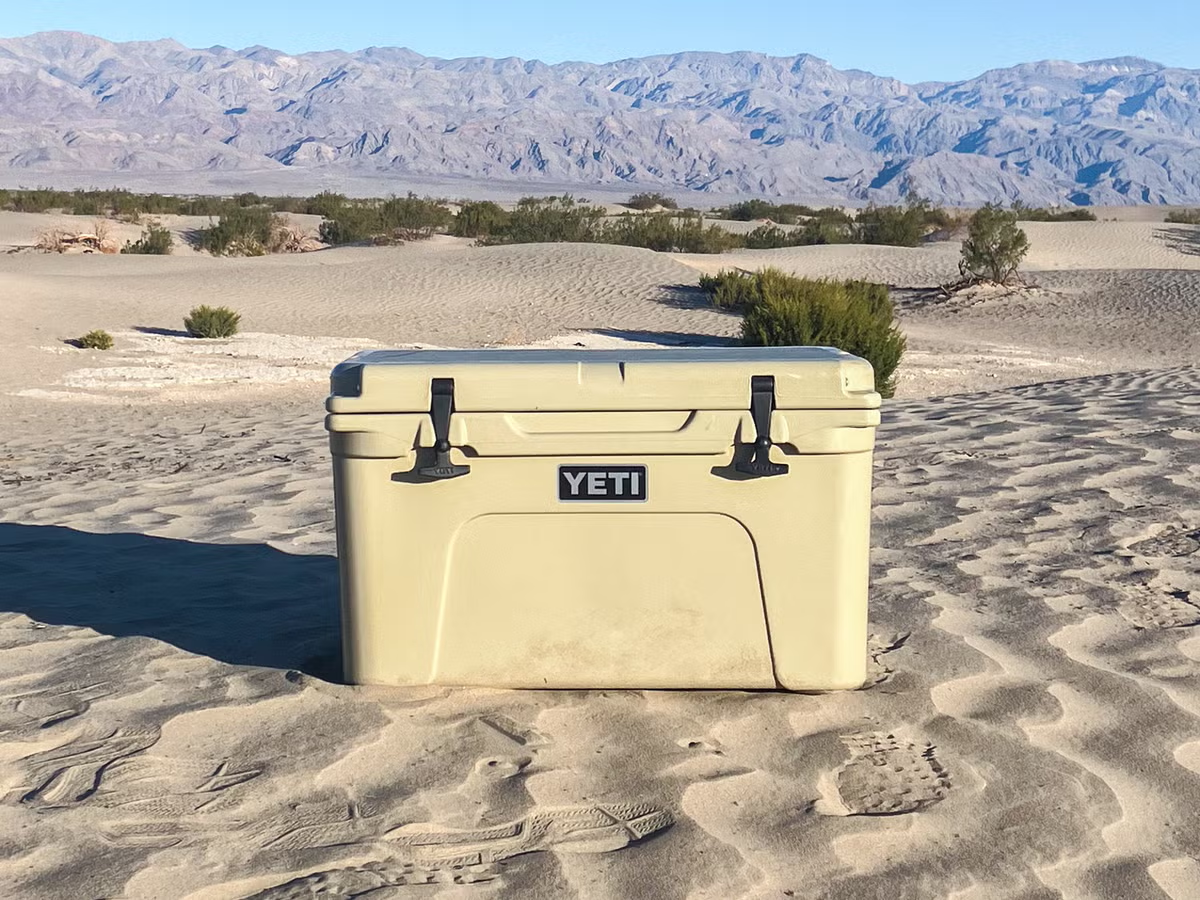
In 2006, two Texas brothers named Roy and Ryan Seiders were tired of cheap coolers cracking on fishing trips. Their solution was almost comically simple. Build a cooler that doesn't break, and charge 10x what everyone else charges. Standard coolers cost $30-50. YETI launched at $300. Industry veterans laughed. Fishermen and hunters didn't. They started at Bass Pro Shops and ended up at Nordstrom. Today YETI is a publicly traded company with a market cap hovering around $3.8 billion.
Erewhon and the $20 Smoothie
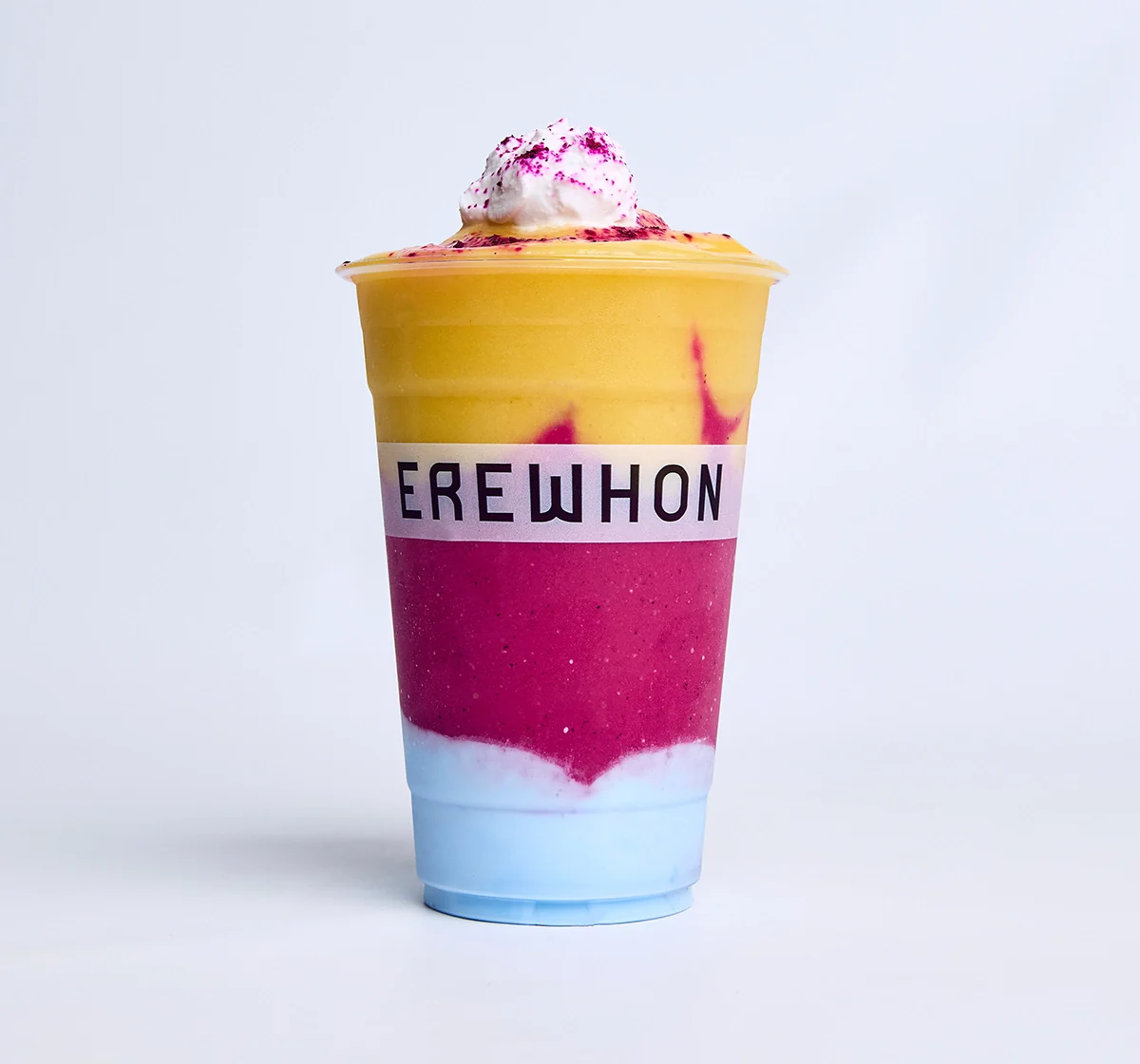
A Los Angeles grocery chain sells smoothies for $20. The same smoothie ingredients at Whole Foods would cost maybe $6. But Erewhon sells the experience of being the kind of person who buys a $20 smoothie. Celebrity collaborations with Hailey Bieber and Kendall Jenner turn blended fruit into cultural events. The Strawberry Skin Glaze smoothie alone sells 40,000 units a month. In 2023, this grocery store with just a handful of locations reportedly generated $171 million in profit. The price is the product. The smoothie is just the receipt.
But Wait, It's Not Just The Price Tag
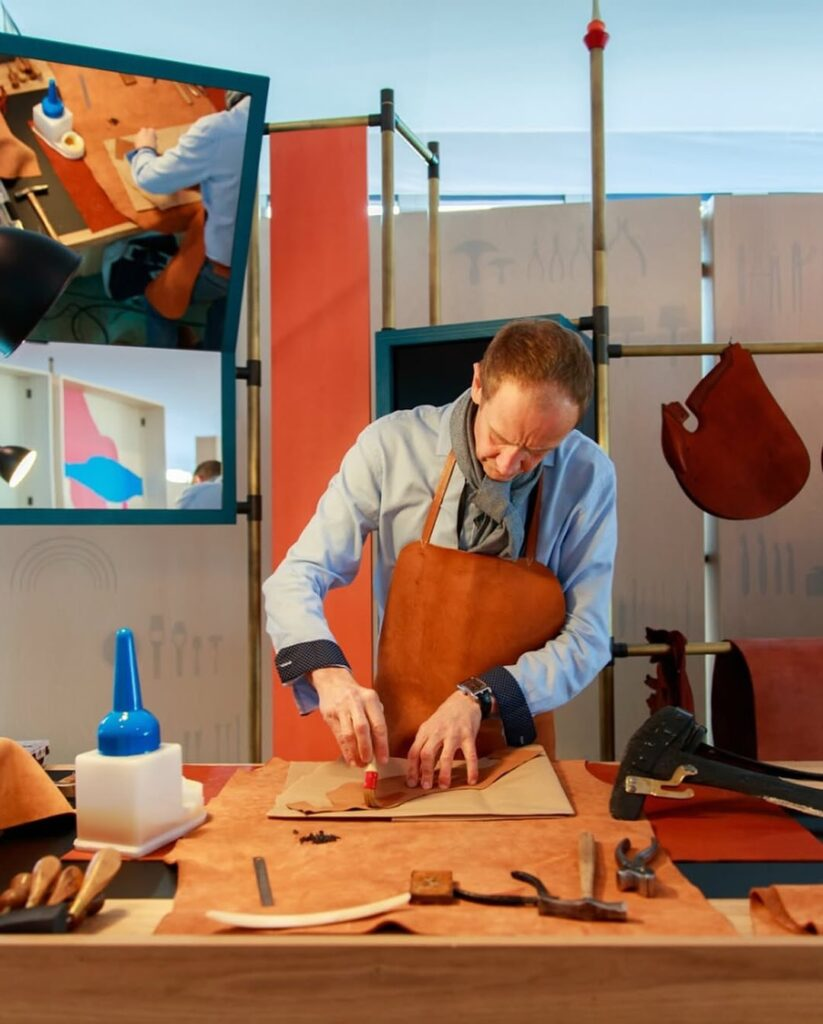
I'd be lying if I told you Hermès just slapped a high price on some leather and called it a day. The price works because of what came before it.
Hermès spends only 4-5% of revenue on advertising, compared to 10-15% for most luxury brands. Ford spent $2.5 billion on advertising in 2023. Hermès spent that budget on something else entirely.
They built an accredited leatherworking school in France. They run an art foundation that funds contemporary artists. They tell stories about individual craftsmen who spend a year in training before touching a Birkin bag. A dozen of their workshops are certified as "living heritage companies" by the French government.
This is what Leland calls investing in the "cultural market." Most companies compete in the commercial market, where you fight competitors for customers. Some manage the capital market, where you fight for investor confidence. But Hermès plays a third game. They invest in meaning. They make the brand worth talking about before anyone talks price.
The high price tag is the result of cultural capital, not the cause. Ford advertises trucks. Hermès advertises a worldview. And it turns out worldviews have better margins.
What Does Science Say?
Your brain literally experiences expensive things as better. A 2017 study from INSEAD and the University of Bonn gave participants identical wine while telling them different prices. The expensive wine activated more reward centers in the brain. Same liquid. Different pleasure. The price tag changed the physical experience of drinking.
But price alone doesn't build lasting trust. The 2025 Edelman Trust Barometer found that 73% of consumers say their trust in a brand depends on more than just the product itself. This is where cultural connection plays a role. Some might think it's just a "nice-to-have," but it's the foundation that makes premium pricing credible in the first place.
And when brands invest in that authenticity, consumers reward them with more than purchases. A 2023 study in the Journal of Business Research found that consumers are more willing to pay premiums for brands they perceive as authentic, and they're also more likely to forgive those brands when things go wrong. Authenticity buys you margin and insurance.
Dumb Word of the Day
Sumptuary (SUMP-choo-air-ee)
From the Latin sumptus meaning "expense." Relating to laws or rules that restrict excessive spending, especially on luxury goods. Medieval sumptuary laws literally prohibited commoners from wearing certain fabrics or colors, because looking rich was considered a threat to social order.
Think about that for a second. Governments were so convinced that appearing wealthy could make you wealthy in status, influence, and opportunity that they made it illegal. Sidney Frank figured out the same thing in 1997. He just called it a pricing strategy.
Let's use it in a sentence: "My wife's sumptuary concerns about my vintage synthesizer collection have intensified since she discovered I've been hiding invoices inside the synths themselves."

This week, find something you're underpricing. Your freelance rate. Your Etsy product. The favor you keep doing for your brother-in-law. Now imagine doubling it. Not because you're greedy, but because the price is a signal, and right now you're signaling "I'm not sure I'm worth it."
You don't have to actually raise the price. Just notice what it feels like to consider it. That discomfort? That's the gap between what you charge and what you believe. The most expensive thing you can do is keep that gap open.
Thank you for getting dumb with me today.
Remember, a bargain is just a luxury item with worse marketing.
David 🎉