Your Most Important Customer Will Sink Your Ship

Listen to the Dumbify Podcast on Spotify or Apple.
👋 Hey dumdums,
In 1628, the Swedish warship Vasa set sail on its maiden voyage in Stockholm harbor. It was the most expensive, most heavily armed vessel Sweden had ever built. Sixty-four bronze cannons. Hundreds of ornate carvings. A king's ego made seaworthy. It sailed approximately 1,300 meters before a light breeze tipped it sideways and it sank like a decorated filing cabinet. The whole thing took about twenty minutes. Thirty crew members ran back and forth across the deck beforehand to test the ship's stability, and the test had to be stopped because the ship nearly capsized while still docked. Nobody told the king. Because the king was the one who demanded all those cannons in the first place.
Every business book will tell you to listen to your most important customer. Get close to them. Anticipate their needs. Build what they want.
This is how ships sink.
King Gustavus Adolphus wanted more firepower, so the shipbuilders gave him more firepower. They knew the hull was too narrow. They knew the upper decks were dangerously heavy. They ran the test and watched the ship almost die at the pier. But this was the king. You don't tell the king his ship is a floating coffin. You add the cannons and pray for calm seas.
The pattern repeats everywhere. Your biggest customer has the most money, the loudest voice, and the worst ideas for your product. Their gravity warps your entire organization until you're building something optimized for one relationship and catastrophically fragile to everything else.
❝ The customer who can least afford to lose you is the one most likely to destroy you. Not through malice. Through importance. ❞

BlackBerry Built the Perfect Phone for the Wrong Decade
BlackBerry didn't ignore its customers. It obeyed them. Corporate IT departments loved BlackBerry Enterprise Server for its security and device management. So BlackBerry kept building for corporate IT departments. Physical keyboards. Enterprise encryption. Zero fun. When employees started bringing iPhones to work because they actually enjoyed using them, IT departments eventually had to capitulate. BlackBerry had listened so carefully to its most important buyers that it built itself into a beautifully secure irrelevance.
The Washington Post's postmortem is still sharp.
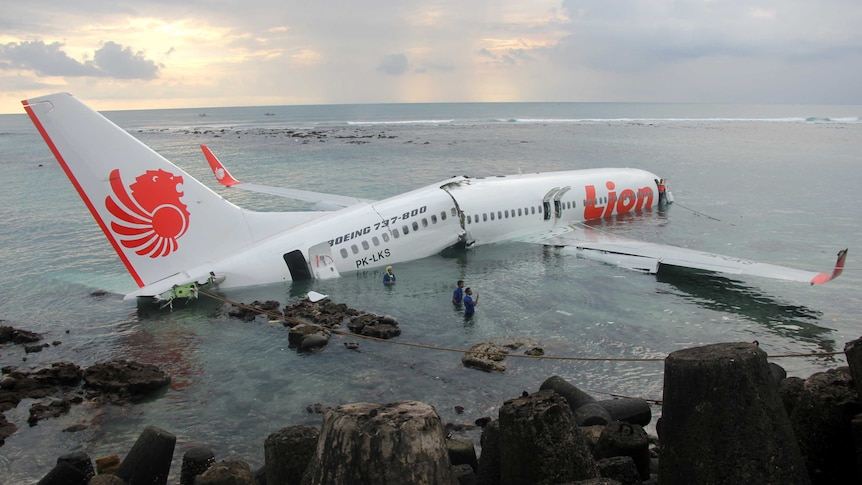
Boeing Let Its Airlines Design a Plane
When Airbus launched the A320neo in 2010, Boeing's biggest customers panicked. American Airlines threatened to switch. Southwest, which operated an all-Boeing fleet, applied enormous pressure. Rather than designing a genuinely new aircraft (expensive, slow, correct), Boeing rushed to bolt bigger engines onto a 50-year-old airframe and called it the 737 MAX. The customers got their plane fast. 346 people died in two crashes linked to design compromises made under that pressure.
Harvard Business School traced the roots back 25 years.
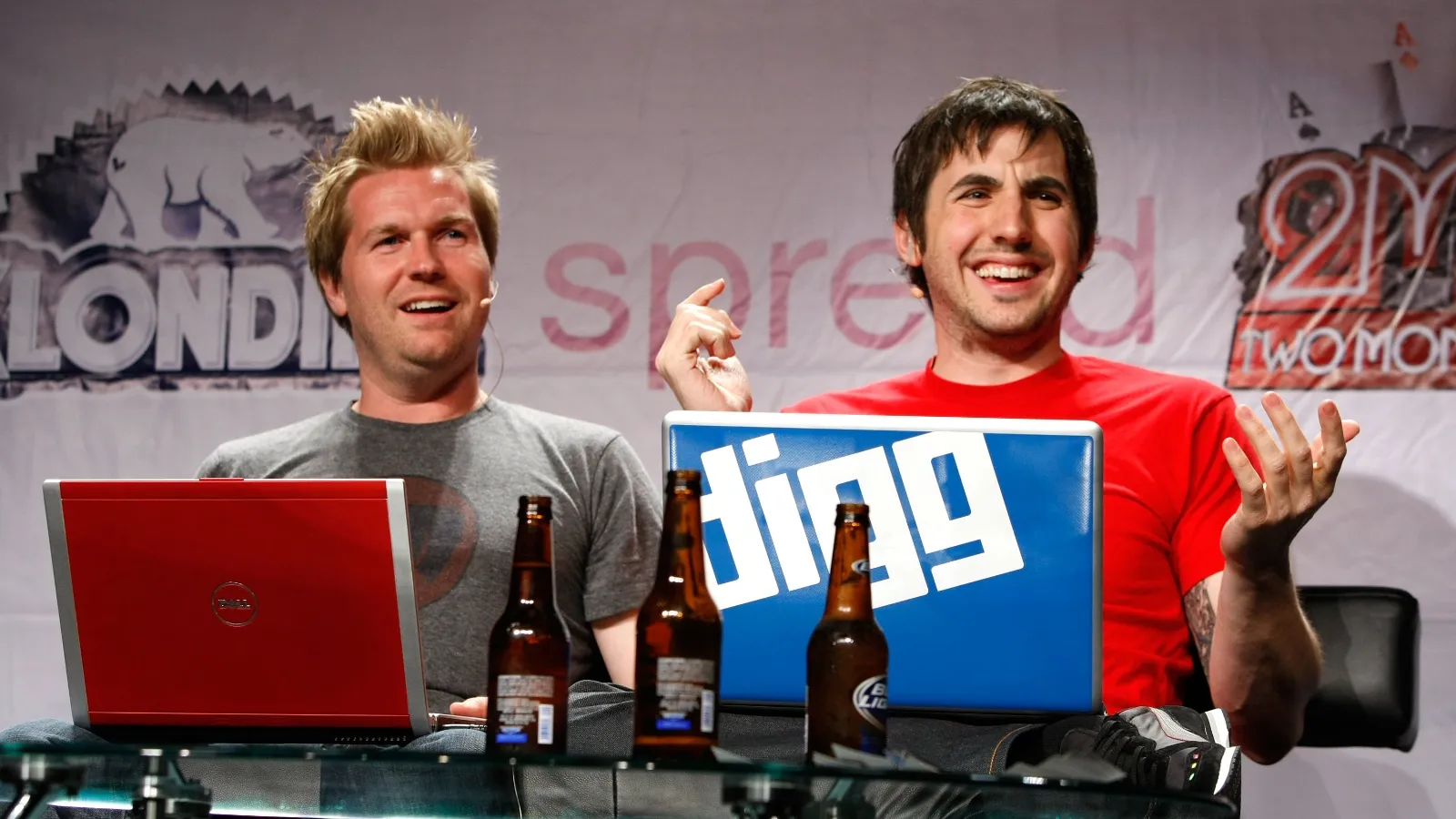
Digg Redesigned Itself for Publishers and Lost Everyone Else
In 2010, Digg was the homepage of the internet. Then it launched Digg v4, a redesign that gave major publishers the ability to auto-submit content straight to the front page. The regular users who actually made Digg valuable? Their "bury" button was removed. Their upcoming page was deleted. Digg had essentially redesigned its product around the partners writing the biggest checks. Users flooded the front page with links to Reddit in protest. Within months, Digg's traffic collapsed and the site eventually sold for $500,000. It had been valued at $175 million.
The Guardian covered the revolt in real time.
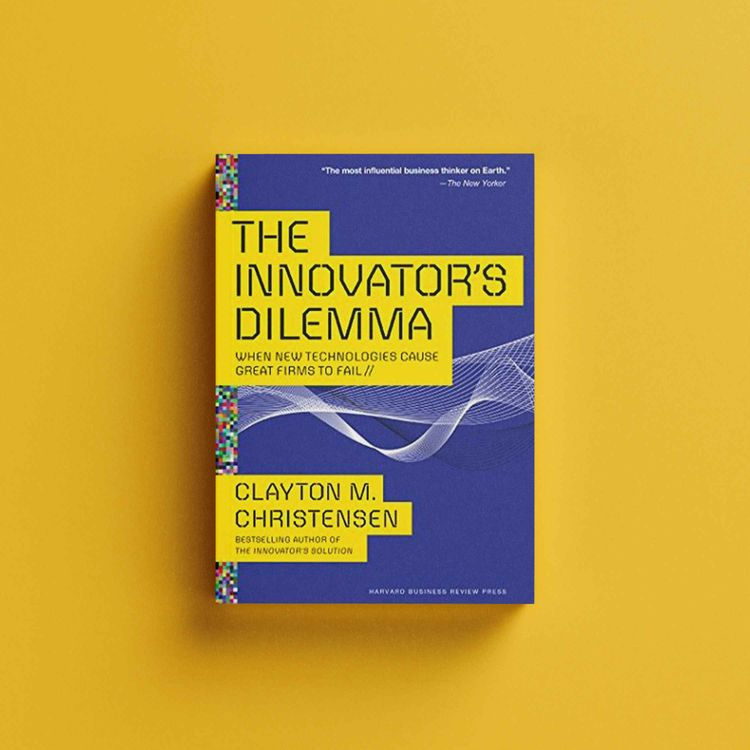
Clayton Christensen's The Innovator's Dilemma is basically a 300-page version of this newsletter. His core finding from studying the disk drive, steel, and excavator industries is that great companies fail because they listen to their best customers. Those customers push incumbents toward sustaining innovations while disruptive competitors sneak in from below. The book remains Harvard Business School's most famous alumni publication.
Meanwhile, a 2021 study in the Journal of Financial Stability found that high customer concentration significantly reduces corporate risk-taking. Translation for humans: when one customer dominates your revenue, you stop making bold moves. You become an obedient subsidiary that happens to have its own logo. The full paper is here if you enjoy light reading about supplier dependency.
Dumb Word of the Day
Obsequious (ob-SEE-kwee-us) adj. Marked by fawning attentiveness and excessive eagerness to please. From the Latin sequi, meaning "to follow." An obsequious person is, etymologically speaking, someone who follows too closely.
Let's use it in a sentence: The shipbuilder was so obsequious toward the king that he added fourteen extra cannons to a vessel that could barely handle a stiff breeze, which is also how I'd describe my relationship with the barista who keeps spelling my name "Daveed."

This week, identify your personal "king." The person, client, or relationship whose opinion you reflexively prioritize above all others. The one you'd add fourteen cannons for without question. Now think of one decision you've been avoiding or one honest thing you haven't said because of their gravitational pull. You don't have to say it yet. Just write it down somewhere. Noticing the warping is the first step toward building a ship that can actually float.
Thanks for getting dumb with me today.
Remember, the Vasa sat preserved on the ocean floor for 333 years and is now Sweden's most visited museum. Sometimes the best thing your product can do is sink spectacularly enough to teach everyone else a lesson.
David 🎉